
The Case for Time & Craftsmanship
What Athena Calderone’s Tribeca apartment, and the future of the Flatiron Building, reveal about the true meaning of luxury.
Every so often a project reminds us what great interiors are really about.
Recently, Athena Calderone—known to many as Eyeswoon—shared her Tribeca apartment through Architectural Digest and a series of open house tours. The home sits within an early-1900s building that once housed the executive offices of the Borden condensed milk company. Its bones are unmistakable: soaring ceilings, herringbone floors, deep wood paneling, and the quiet presence of history embedded in the architecture.
But what makes the apartment so compelling isn’t simply its architecture.
It’s the philosophy behind it.
“Nothing was fast design. Everything had the touch of the hand.”
The space feels less like something newly created and more like something carefully evolved—an interior shaped slowly through craftsmanship, materiality, and restraint.
Decorative gestures—plasterwork, architectural millwork, carefully installed wallpaper—are not treated as surface embellishments. Instead, they deepen the structure of the rooms themselves.
The design doesn’t compete with the architecture.
It respects it.
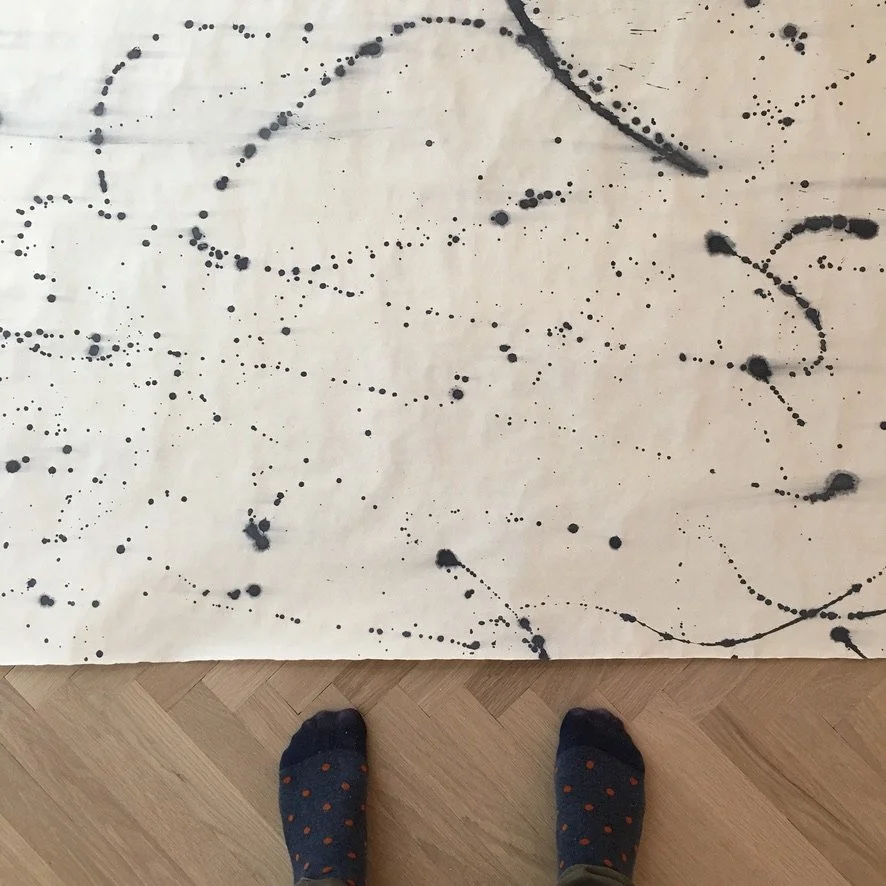
Craft Happens Between the Designer and the Maker
At Studio Ness, this idea resonates deeply.
When conversations about luxury interiors happen today, they often revolve around materials: marble, rare stone, custom finishes. But in our experience, the most meaningful moments in a project rarely come from the material alone.
They come from craft and transformation of these raw materials into beautiful components for your home.
Some of the most important collaborators in our work are the people whose hands shape those materials:
the millworkers translating architectural drawings into built form
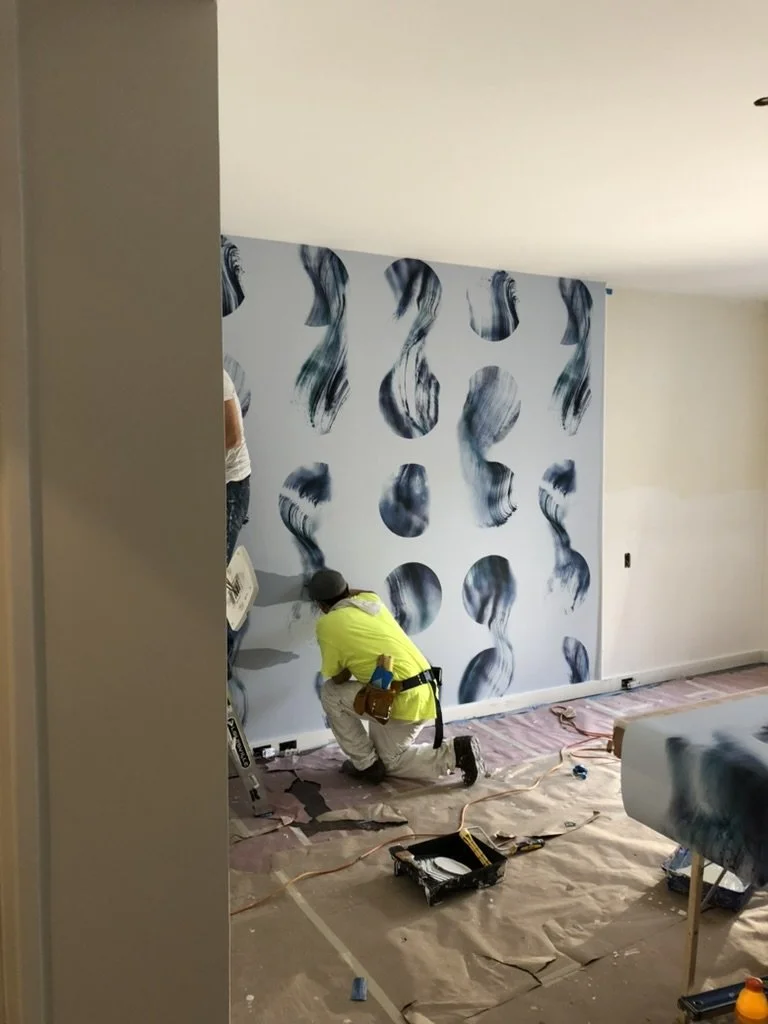
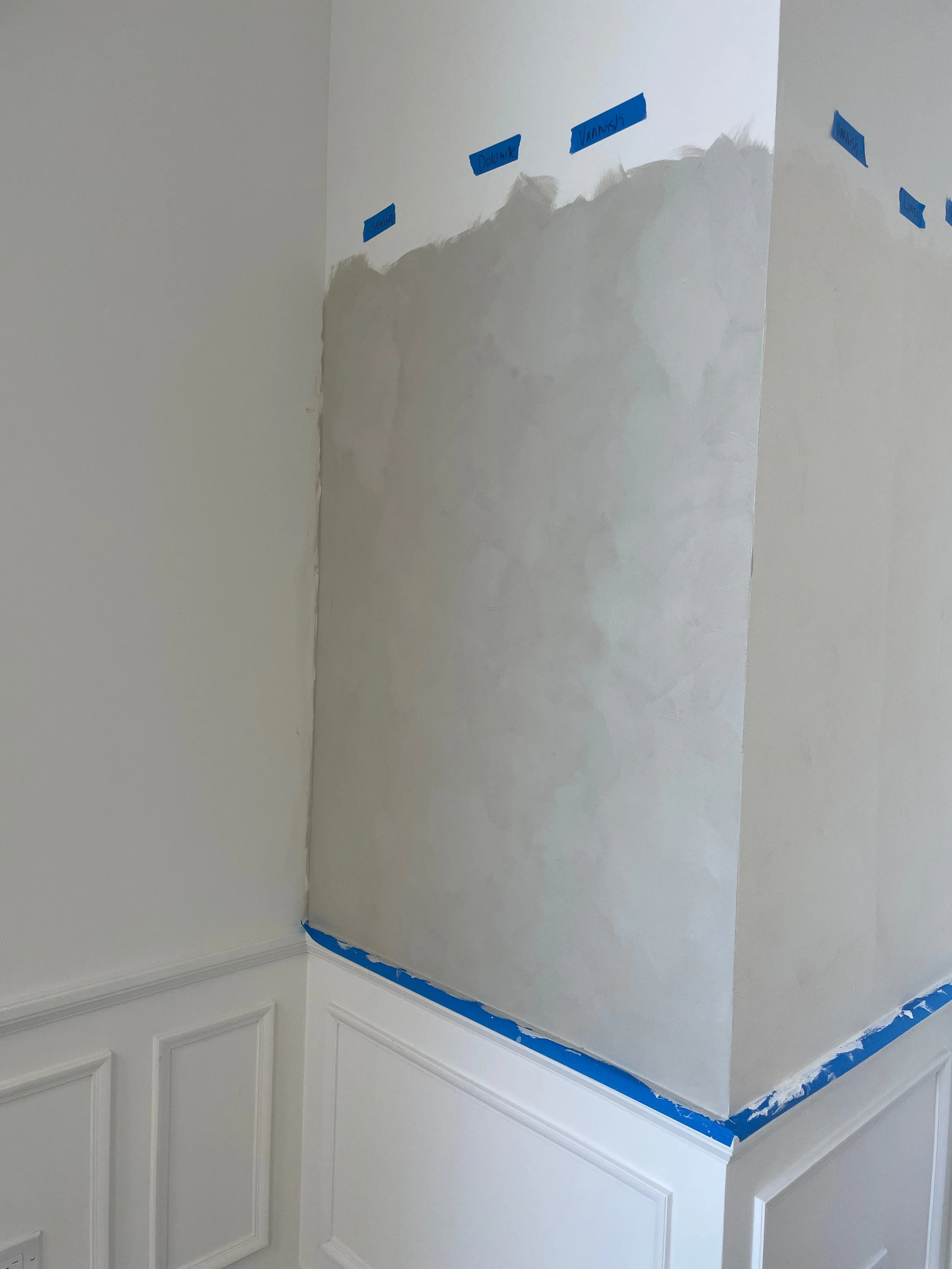
the decorative painters and wallcovering artisans who layer depth and texture into walls
the stone and tile fabricators whose installations make the raw materials meet the project requirements.
the plaster specialists who understand how light moves across a surface
Even down to the ceramic artists working on beautiful accessories and lighting to accent the design.
These partnerships are where a project transforms.
Not just from concept to reality, but from something beautiful into something memorable.
The difference between a well-designed space and a truly great one is often craftsmanship.
Over time we’ve developed a carefully curated network of craftspeople we trust deeply. They understand the intention behind our work, and they bring their own artistry into the process.
The result is not simply a finished room; it’s a layered interior that feels considered, tactile, and lasting.
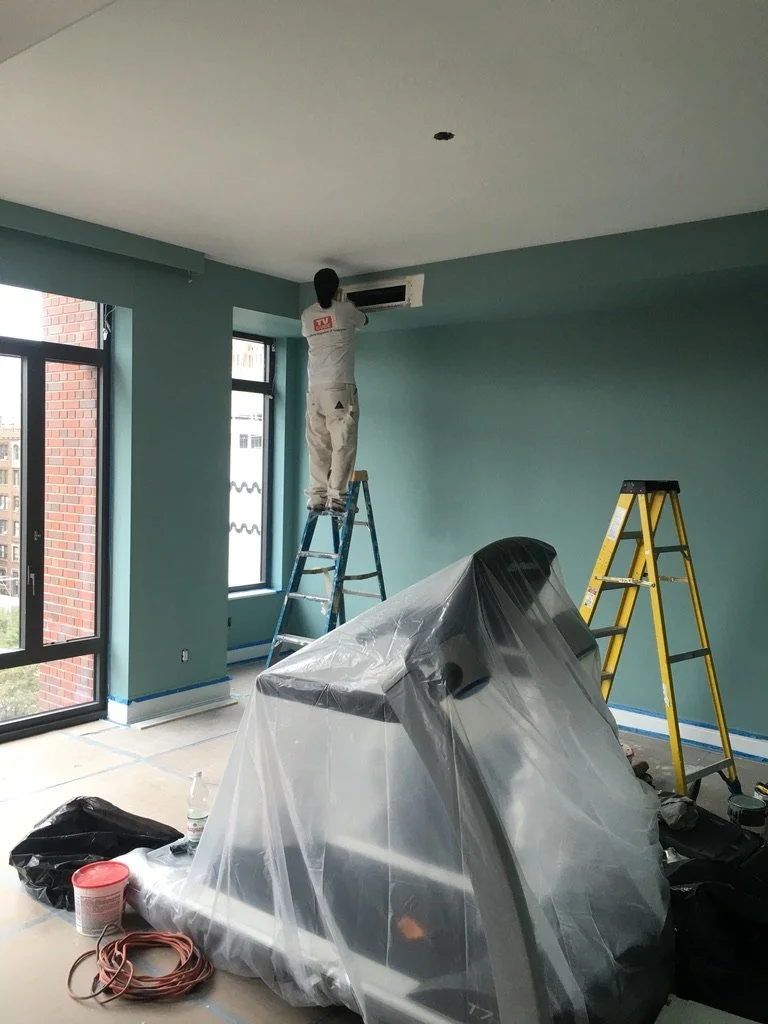
The Flatiron Building’s Next Chapter
That philosophy came to mind again recently as details emerged about the conversion of the Flatiron Building into residences. A project we’ve seen unfold over the years.
Few buildings in New York carry the same cultural presence.
Completed in 1902 and designed by Chicago architect Daniel Burnham, the Flatiron Building was one of the city’s earliest steel-frame skyscrapers. Its triangular footprint: wedged between Broadway and Fifth Avenue at 23rd Street (just down the street from Studio Ness offices!) quickly made it one of the most recognizable buildings in the world.
For more than a century, the building has served as an architectural symbol of New York itself.
Now, the landmark property at 175 Fifth Avenue is entering a new chapter.
The redevelopment will transform the building into a limited collection of luxury condominiums, with interiors designed by Studio Sofield. Early plans suggest roughly three dozen residences, many occupying half or full floors, with prices reaching into the eight-figure range.
The released renderings present a polished and sophisticated vision: white oak flooring, marble kitchens, expansive windows, and a comprehensive amenity program including wellness spaces and lounges.
In many ways, it reflects the language of luxury residential development today. An expected (albeit slightly underwhelming) material palette that is on par with other residences of similar pedigree.
And there’s nothing inherently wrong with that, but there is also nothing exciting to help it stand out from the fold other than it’s iconic building envelope.
When you’re working inside a building as iconic as the Flatiron, it raises an interesting question.
What Happens When Craft Leads?
The Flatiron already possesses something many new developments try to replicate: architecture with presence.
Its proportions, geometry, and dramatic windows are impossible to reproduce.
Which means the most powerful interior gestures may not be the most dramatic ones….they may be the most thoughtful.
Imagine interiors that lean more deeply into craftsmanship and take their cue from the iconic terracotta fascade of the building and historical references to help it feel cohesive:
Millwork that follows the wedge of the building’s triangular plan and hints at historical authenticity.
Decorative paint treatments that establish subtle datum lines through gallery-like corridors.
Plaster finishes that capture and soften the light pouring through the building’s famous curved windows.
Wallpaper installations that wrap ceilings and passageways like an architectural envelope.
Custom furniture designed specifically for the building’s narrow “prow,” where the city opens up around you.
When craftsmanship leads, architecture becomes the focal point again.
These kinds of interventions are quiet.
But they fundamentally change how a space feels.
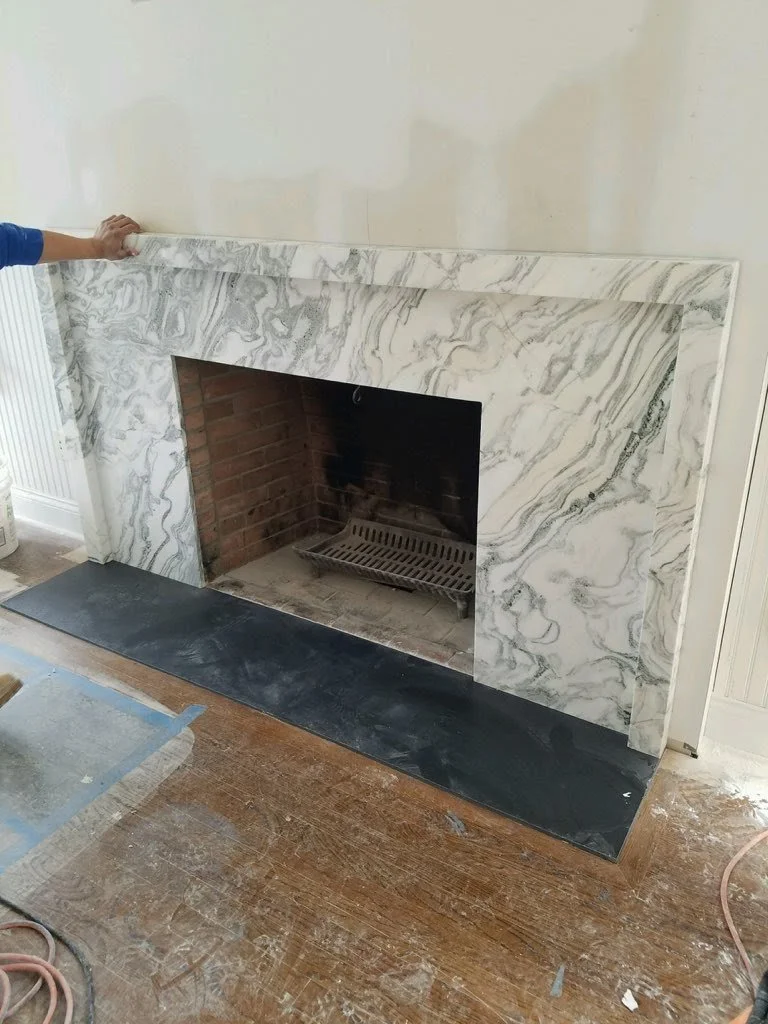
Craft and Time as Investment
Clients often ask whether handcrafted elements are worth the additional investment and time on a project.
In our experience, the answer is always yes.
Not because craft is extravagant, but because it’s enduring and takes time to achieve.
Handmade details add authenticity and depth to a home in a way that mass-produced solutions rarely can. Over time those elements become inseparable from the architecture of the space itself.
They age beautifully.
They accumulate character.
And they are almost always the details clients end up loving most.
The Studio Ness Perspective
Projects like Athena Calderone’s Tribeca apartment remind us that restraint, craftsmanship, and respect for architecture often create the most powerful interiors.
And watching the Flatiron Building begin its residential life offers a rare opportunity to imagine how craftsmanship could shape the next chapter of one of New York’s great icons.
At Studio Ness, we believe the most memorable homes are rarely defined by finishes alone.
They’re defined by the collaboration between designer and maker—the millworker shaping a room’s architecture, the painter finishing a wall by hand, the artisan whose work quietly transforms a space.
Because in the end, the most enduring interiors are not simply designed.
They are made by talented craftspeople and time.
And, hey, if you are buying one of the residences in the Flatiron, give me a ring. I’d love to help you turn it into a spectacular home. 😉