
Interior Designer Cost in NYC (2026 Guide)
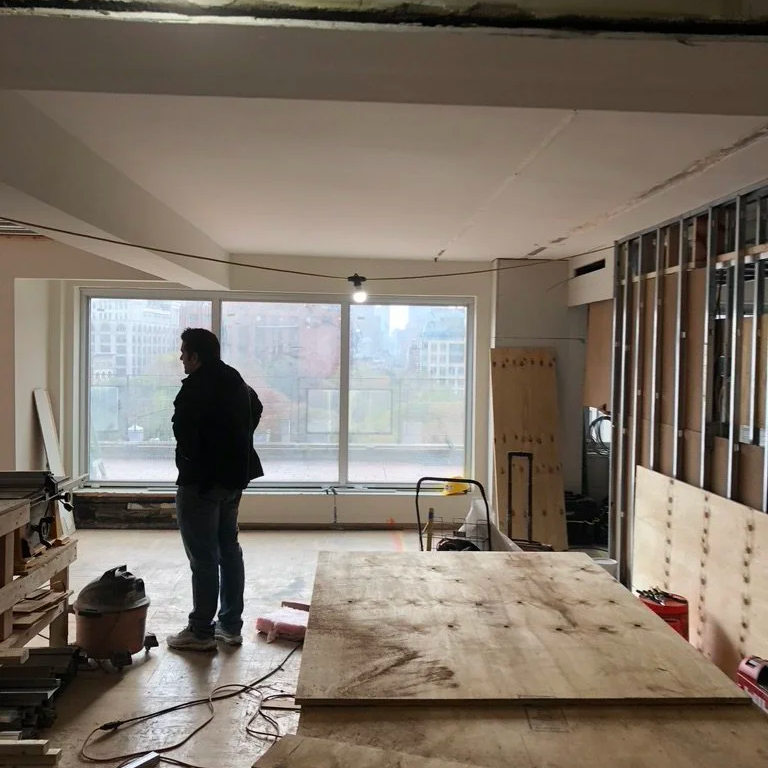
My mind immediately starts racing when I walk through a new project with a client, especially if it involves a renovation. I see the walls that can move. The light that can be pulled deeper into a space. The way a layout can shift to support how someone actually lives.
Renovating provides you the rare opportunity to fully customize your home. That is why I often encourage clients, when they are searching for a new apartment or townhouse, to look beyond what checks every box today. A space with strong bones and potential can become far more personal and valuable than a newly finished property where you are paying a premium for someone else’s vision. A brand new renovation may look polished, but it often reflects someone else’s priorities.
In New York City, that opportunity also comes with added complexity. A prewar apartment carries board approvals and building rules. A loft renovation may require structural coordination. A brownstone demands respect for history while upgrading systems for modern life.
In 2026, hiring an NYC interior designer is not just about decorating. It is about managing that complexity. Board packages. Contractor coordination. Custom millwork drawings. Freight elevator schedules. Or how to get your 10’ dining table into your apartment, when it won’t fit up the stairs or in the elevator box. A well run project protects your time, your budget, and your peace of mind.
So what does it actually cost?
How Interior Designers in NYC Structure Fees
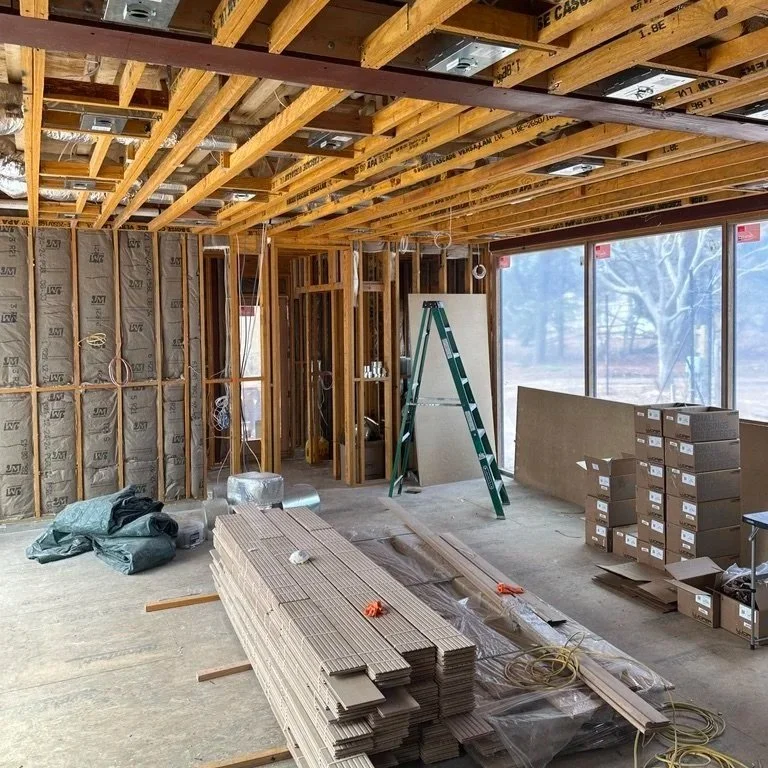
In today’s market, there are a number of ways that designers bill; hourly, flat fee or hybrid. I have noticed over the years that many firms have moved from hourly billing structures to more of a flat design fee, at least here in New York. Hourly fees would greatly vary depending on the experience of the designer and level of work, and is billed monthly to reflect. A flat fee is custom quoted based on the size of the home, the scope of renovation, and the level of detail required; providing more clarity upfront on the total cost for design fees.
In the past, Studio Ness operated on an hourly design fee schedule; however, for most of our projects, we no longer bill hourly. We pride ourselves on transparency to our clients, and realize that an unpredictable (though organized!) monthly hourly invoice makes it difficult to plan or budget for other parts of the project. So now, after reviewing architectural plans and discussing your goals, we create a tailored flat fee proposal that reflects the true scope of the project. This gives you clarity from the beginning. You know what design services will cost before we begin, which is why we have shifted our model to provide this transparency. We are able to base this investment level using our historical data from past projects where we tracked every hour spent.
For full home renovations or large scale furnishing projects, design fees often range from $40,000 to $175,000 or more depending on complexity. A single room project will be less, but custom millwork, layout changes, or contractor coordination can increase scope quickly. Which is why we can’t provide a number until we know all of the details of the project.
A Meatpacking loft renovation is priced differently than a Fifth Avenue apartment combination. A Hamptons new build requires a different level of involvement entirely. Each proposal is specific to the architecture and the client.
The New York Factor

New York adds layers that do not exist in other cities, which is why you want to hire a designer who is familiar with the unique challenges that present themselves on a project based in NYC.
Co-op and condo boards require detailed submissions and contractor insurance. Alteration agreements must be precise. Deliveries are scheduled to the hour. Storage and white glove installation are standard on most projects.
There is also sales tax. Furnishings delivered in New York City are subject to 8.875 percent tax. On a $200,000 furniture investment, that is nearly $18,000. This must be accounted for early.
Beyond logistics, there is the cost of getting it right. Shop drawings must be reviewed carefully. Measurements must be exact. One mistake in custom millwork can be expensive and difficult to reverse, I’ve learned this lesson the hard way!
What You Are Really Paying For
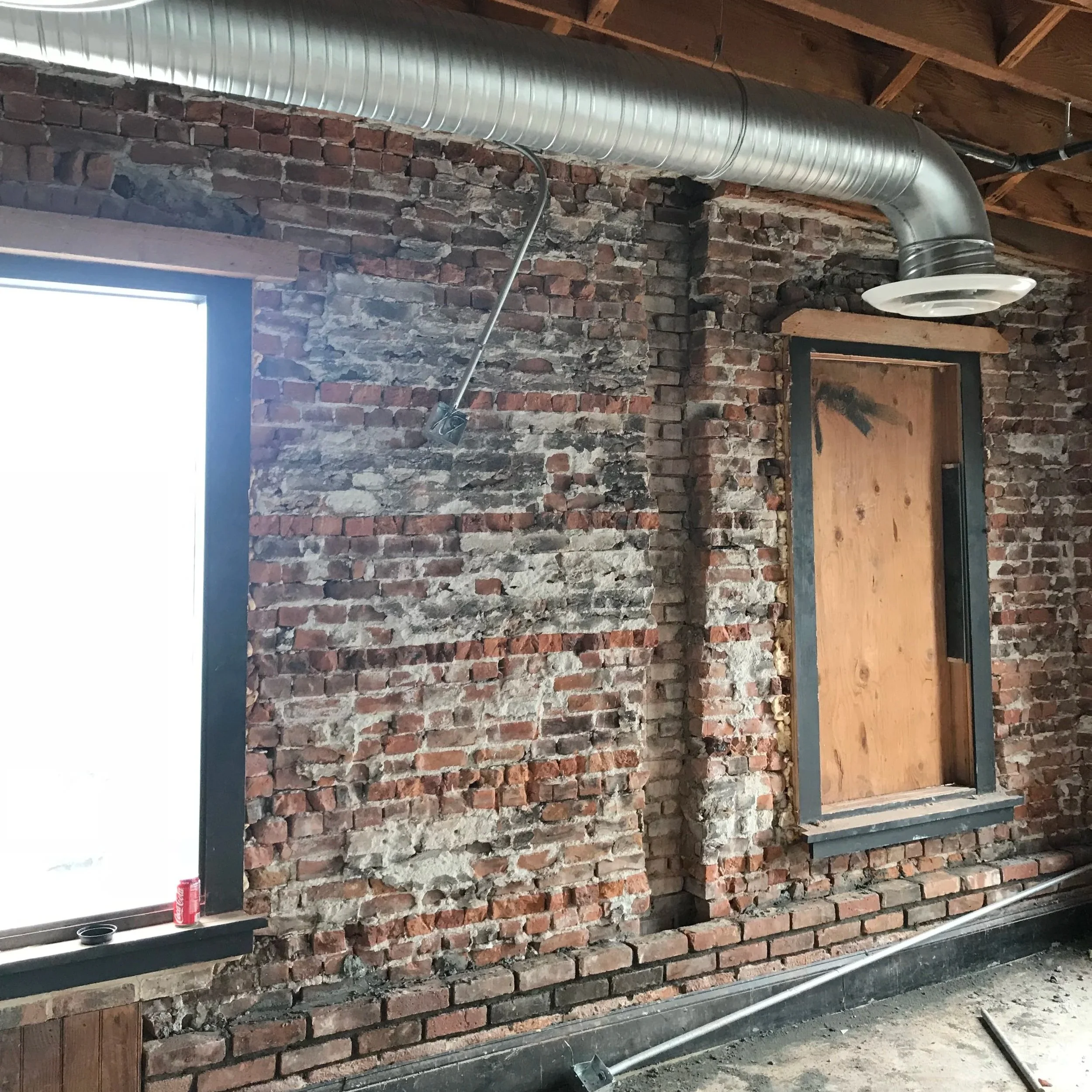
When you hire a full service NYC interior designer, you are paying for oversight and protection, along with their expertise and aesthetic eye.
You are paying for someone to see the issues before they happen. To manage contractors and consultants. To track every order from deposit to delivery. To coordinate installation so that when the final pieces arrive, everything fits and functions the way it was intended.
At Studio Ness, we manage projects from concept through installation. Whether it is a downtown loft renovation, a Fifth Avenue apartment combination, or a Hamptons new build, we handle the layers that most clients never see.
The goal is always the same. A home that feels calm, thoughtful, and deeply personal. And a process that feels steady, even in a city that rarely is.
Planning Your 2026 Project
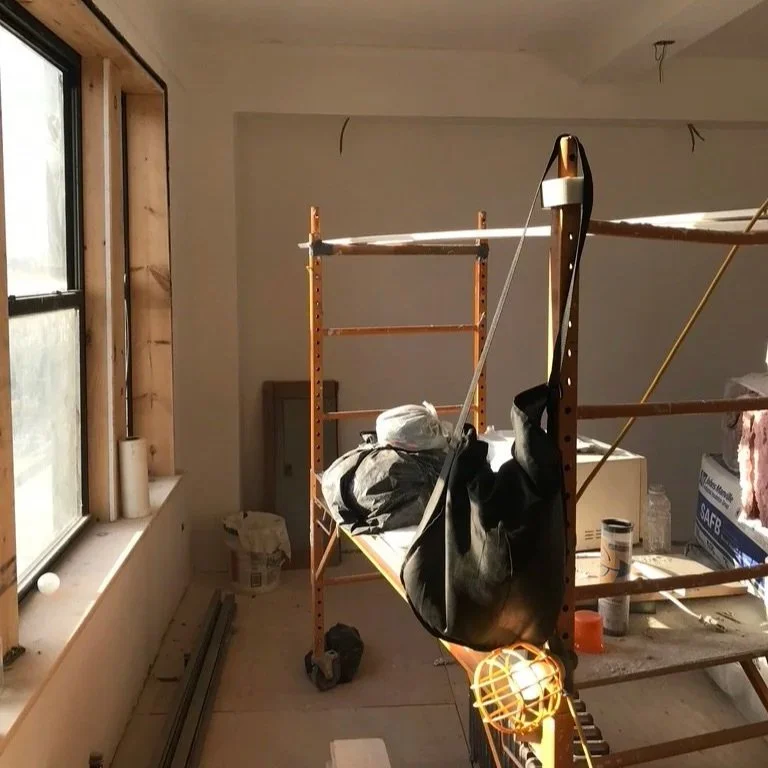
Every home is different. A landmarked townhouse requires a different strategy than a high rise condo. A family home renovation moves differently than a pied à terre refresh. Putting together the right team for your project is the most important first step that you can take.
The best place to begin is with clarity around scope and investment level. From there, we develop a custom proposal that reflects the architecture, the building requirements, and the way you want to live. We also help provide an investment range for the furniture, decor and art for your home.
If you are considering a renovation, apartment combination, or new build in 2026, we would be happy to talk through what your specific project requires.
You can explore our Meatpacking loft, Fifth Avenue apartment combination, and Hamptons new build to see how different scopes translate into real homes.
When you are ready, reach out to schedule an initial consultation. We will walk the space with you, discuss potential, and outline what it would take to bring it to life.
Good design should feel effortless. The management behind it rarely is. Our job is to carry that weight for you.