
The Difference Between Choosing Finishes and Designing a Home
Building a custom home comes with a promise. The house will be new, personal, and designed around the way you want to live.
But that promise is not fulfilled by construction alone.
At Studio Ness, many of our most successful projects begin before construction starts. Whether we're reviewing a ground-up custom home in the Hamptons, a major renovation in New York City, or a new construction project elsewhere in the country, we've found that the earlier design decisions are made, the more cohesive the final home becomes.
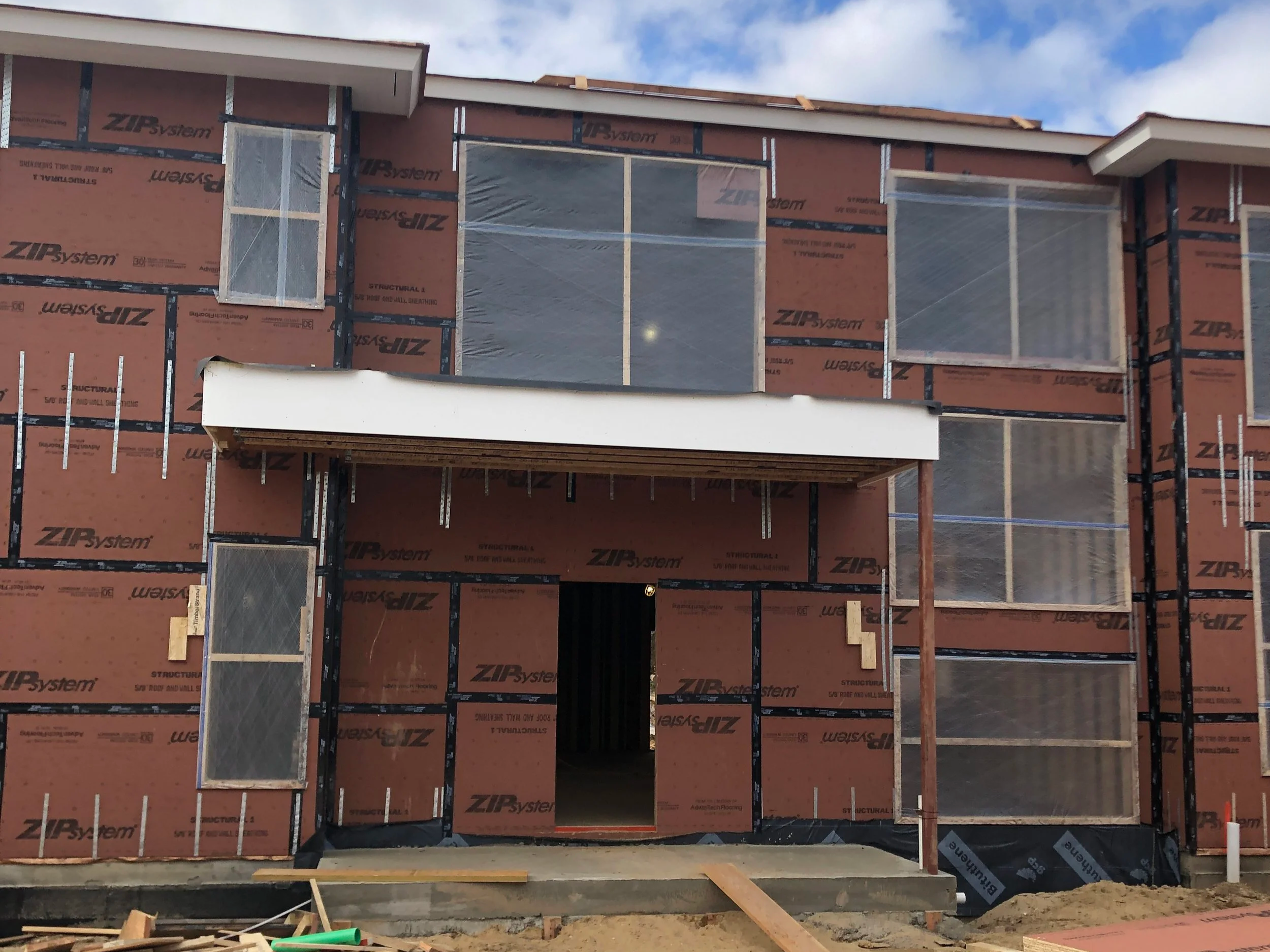
We've also been brought into projects after construction is already underway. Often, the homeowners were told their builder's design team would guide them through the selection process. In many cases, nothing is technically wrong.
The tile is beautiful.
The countertops are beautiful.
The lighting package checks every box.
Yet the home still doesn't feel like the one they imagined.
That is because a home is not designed one selection at a time.
A builder's team plays an essential role in any successful project. They keep construction moving, coordinate trades, manage schedules, and source materials that meet budget and timeline requirements. A skilled contractor is one of the most valuable partners a homeowner can have.
But their primary responsibility is to get the house built.
An interior designer's responsibility is different, even if the builder or architect can ‘do’ the selections.
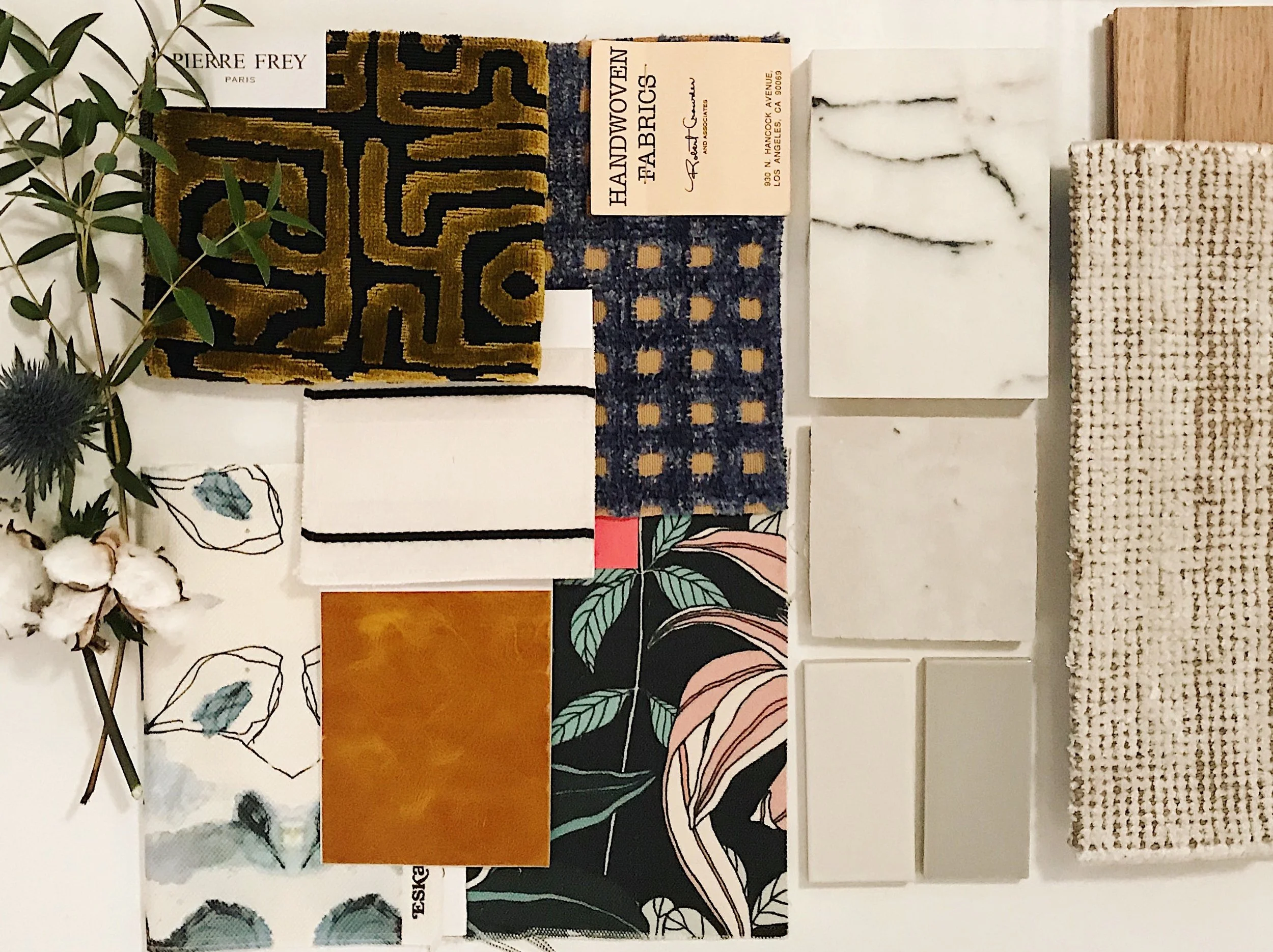
Our role is to protect the vision of the home from the earliest planning conversations through final installation. Before we even think about furnishings, styling, or artwork, we review floor plans through the lens of how people actually live. We think about room flow, furniture layouts, lighting placement, sightlines, storage, architectural detailing, and the countless decisions that will ultimately shape the experience of the home.
These are not decorating decisions.
They are design decisions.
One of the most common questions we hear is whether a homeowner needs an independent interior designer if their builder already offers design services. The answer depends on the scope of those services, but in our experience, the most successful projects are those where someone is responsible for protecting the overall vision of the home from beginning to end.
Choosing finishes is not the same thing as designing a home.
A finish package can help complete construction. Designing a home requires understanding how every decision relates to the next. A fireplace surround is not simply a fireplace surround. The material chosen influences the character of the room. Lighting layouts affect how architecture is experienced. Flooring choices influence how spaces connect to one another. Window placement impacts furniture arrangements. Hardware, millwork, stone, textiles, and furnishings all contribute to a larger story.
Viewed independently, each decision may make sense.
Viewed collectively, they determine whether a home feels cohesive, personal, and intentional.
This is where many custom home projects encounter challenges.
Architects are responsible for the structure and planning of the home.
Builders focus on execution, scheduling, pricing, and constructability.
Both are critical. But neither is always tasked with holding the complete interior vision, from floor plan review through furnishings, art, and final styling.
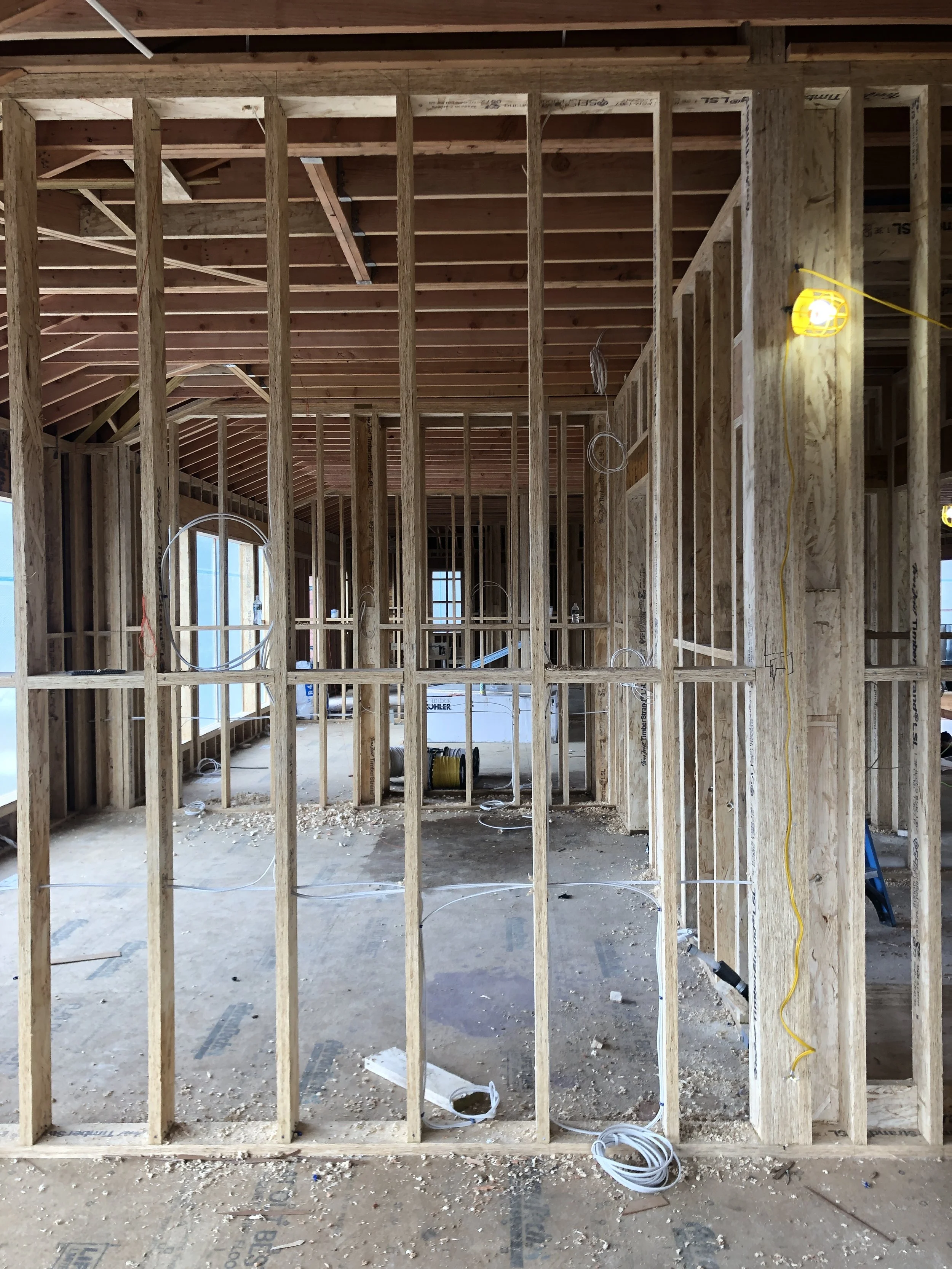
That missing perspective can become costly.
A tile selected too late may no longer align with the construction schedule.
A lighting plan developed without considering furniture layouts or artwork may require modifications later.
A room that looks perfect on paper may not function well in daily life.
Materials chosen primarily for availability, familiarity, or ease of installation may satisfy the build while falling short of the homeowner's vision.
By the time these issues become apparent, changing course often requires additional investment, schedule adjustments, or compromises that could have been avoided earlier in the process.
This is why Studio Ness focuses heavily on the earliest phases of a project.
Our ideal involvement begins before construction starts and often before a contractor has even been selected.
Yes, you read that right; your first step in putting together a team for your project should start with the interior designer before any of the other pieces are put into place.
Through exploratory space planning, floor plan review, material direction, interior elevations, furniture planning, and detailed specification development, we help establish a framework that allows architects, builders, and trades to execute the vision with clarity. A qualified designer, like Studio Ness, can also assemble the best team to achieve your vision.
That missing perspective can become costly.
A tile selected too late may no longer align with the construction schedule.
A lighting plan developed without considering furniture layouts or artwork may require modifications later.
A room that looks perfect on paper may not function well in daily life.
Materials chosen primarily for availability, familiarity, or ease of installation may satisfy the build while falling short of the homeowner's vision.
By the time these issues become apparent, changing course often requires additional investment, schedule adjustments, or compromises that could have been avoided earlier in the process.
This is why Studio Ness focuses heavily on the earliest phases of a project.
Our ideal involvement begins before construction starts and often before a contractor has even been selected. Yes, you read that right; your first step in putting together a team for your project should start with the interior designer before any of the other pieces are put into place. Through exploratory space planning, floor plan review, material direction, interior elevations, furniture planning, and detailed specification development, we help establish a framework that allows architects, builders, and trades to execute the vision with clarity. A qualified designer, like Studio Ness, can also assemble the best team to achieve your vision.
In many ways, an interior designer serves as a translator.
We translate aspirations into plans.
We translate aesthetics into specifications.
We translate how a client wants to live into information that can be communicated clearly to architects, builders, suppliers, and trades.
When this happens early, everyone benefits.
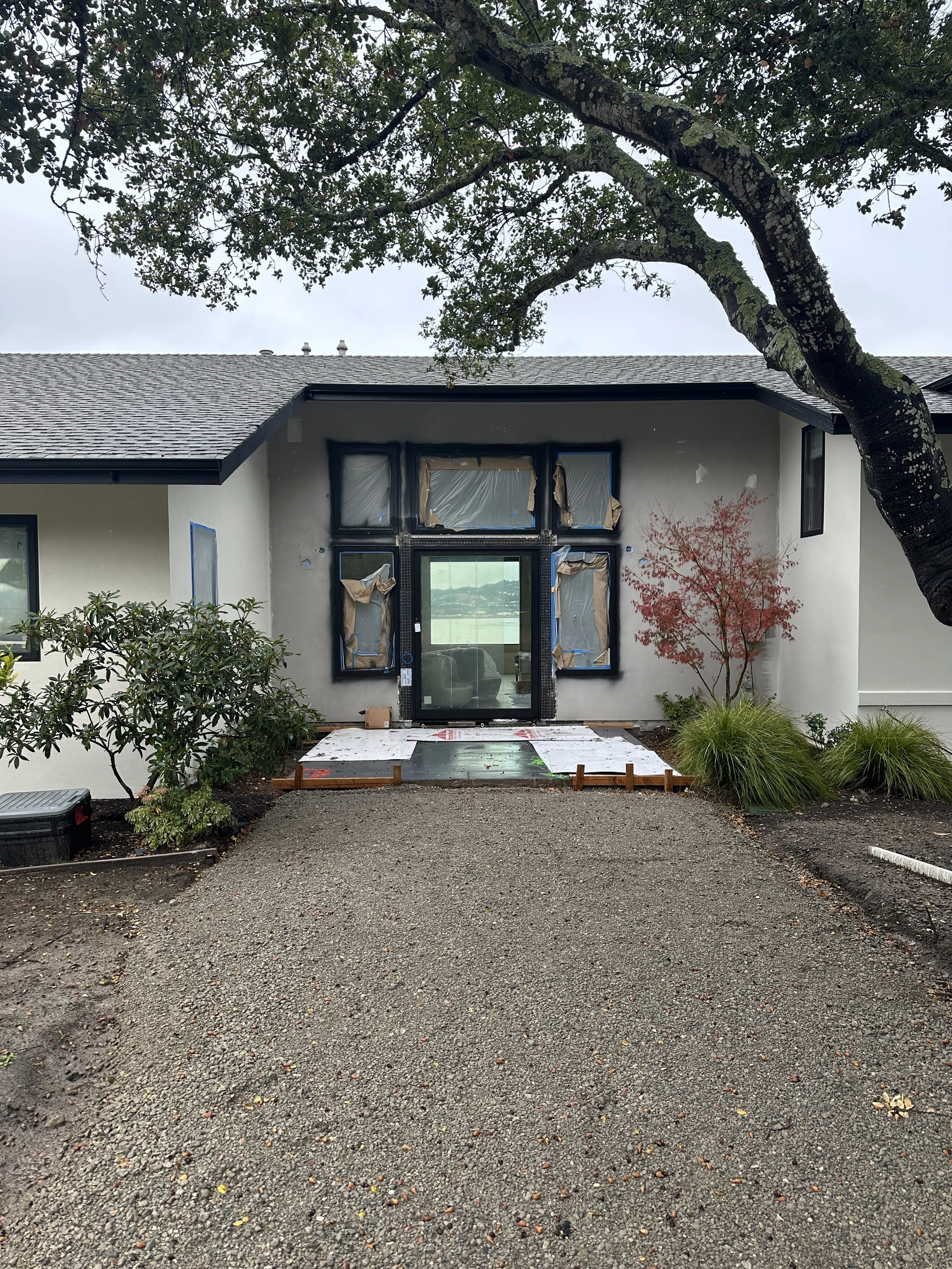
Recently, Studio Ness was engaged shortly after a client selected a floor plan for a new construction home. Before construction moved forward, we reviewed the layout, identified opportunities to better support the client's lifestyle, refined key elevations, established material direction, and created organized schedules outlining the selections required throughout the project.
The result was a smoother process for everyone involved. The client received a more personalized home. The builder received a clearer roadmap. Materials could be planned and ordered efficiently. Questions were answered before they became problems. The revised floor plan proved so successful that it eventually became the version the builder now offers to future clients.
This is the best version of collaboration.
The conversation should never be designer versus builder or designer versus architect. The strongest projects happen when architects, builders, and designers work together from the beginning, each contributing their expertise.
Builders build.
Architects design structures.
Interior designers ensure the vision remains clear, cohesive, and aligned with the client's lifestyle from start to finish.
This is why Studio Ness specializes in full-service interior design for custom homes, new construction projects, and major renovations. Our role is not simply to select furnishings at the end of a project. We serve as the steward of the design vision throughout the entire process, helping clients create homes that feel intentional, personal, and complete.
Because a finished house and a complete home are not always the same thing.
A finished house may have all the right pieces in place.
A complete home has a point of view woven throughout it. The architecture, materials, lighting, furnishings, and artwork all support one another. Nothing feels accidental. Nothing feels generic. Nothing feels like it was chosen simply because it was available.
That kind of home does not happen by default.
It happens when the vision is established early, translated clearly, and protected all the way through. We can’t wait to provide you your dream home, the next step is to reach out below to get the ball rolling.