
Interior Designer, Architect, Contractor or Design-Build: Who Should You Hire First?
1. You're ready to renovate. Who gets the first phone call?
Congrats! You’ve decided to renovate. Maybe you’ve finally purchased that New York City apartment you’ve been searching for, you’re taking on a townhouse renovation, or you’ve found a house that has everything you want except interiors that actually work for the way you live.
You know it needs significant work.
So, who gets the first phone call?
An interior designer? An architect? A contractor? A design-build firm?
There isn’t one universal answer. The scope of your renovation will ultimately determine which professionals are technically or legally required, and most substantial renovation projects will involve several of them.
But I would argue that who you call first can significantly shape the direction of your renovation, the team you assemble, and ultimately the home you end up with.
(And, yes, I’m going to advocate for calling your interior designer first.)
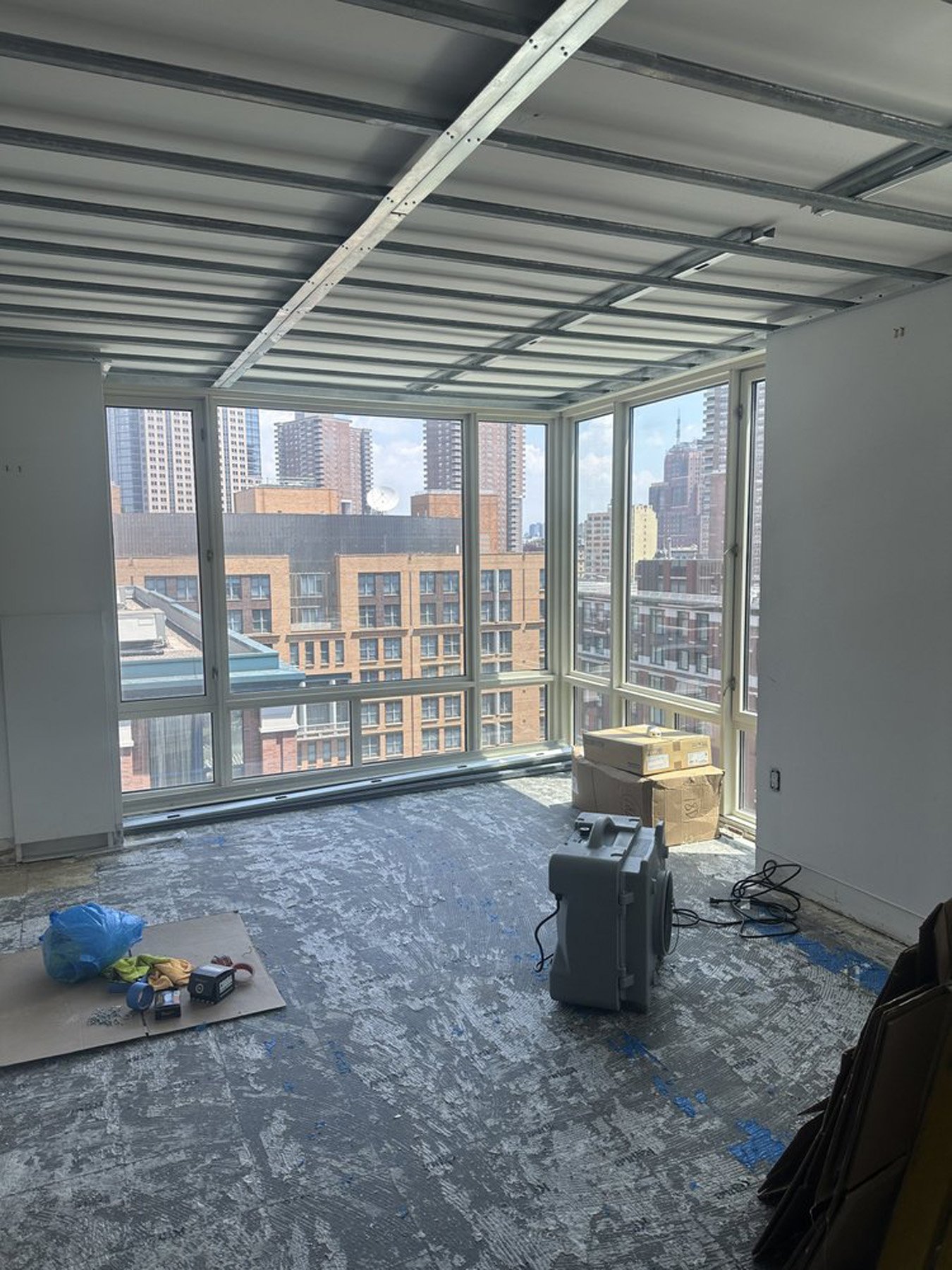
2. What does an interior designer actually do during a renovation?
One of the biggest misconceptions about interior designers is that we arrive toward the end of a renovation to choose paint colors, furniture and fabrics.
For a full-service interior design studio like ours, that represents only one portion of what we do.
When an interior designer is brought into a renovation early, even before an architect or contractor, we have an opportunity to work through the project with the client from the inside out.
We can begin with space planning and interior architecture, exploring how the existing floor plan could change and how each room needs to function. We can begin developing the kitchen and bathrooms, thinking through custom millwork and built-ins, and determining where specialty materials or architectural details may affect construction, budget or timeline.
We can also start addressing the details that eventually have to find their way onto a construction set: plumbing fixtures, lighting, hardware, flooring, stone, tile, cabinetry and finish schedules.
Just as importantly, we can develop a preliminary furniture plan.
That may sound premature when you haven't even started demolition, but knowing where your sofa, dining table or bed will eventually sit can influence everything from outlet locations and lighting to wall placement and millwork.
This early design phase gives us an opportunity to dream with our clients before construction begins. We can explore different options, understand priorities and start making decisions about what is actually worth investing in.
It also gives us enough information to determine which professionals the renovation actually needs.
Some projects may only require an interior designer and general contractor. Others need an architect, structural engineer or other consultants. For another project, an integrated design-build firm might make perfect sense.
By defining the interior design and renovation scope first, we can have much more productive conversations with those professionals when they join the team. We can also begin establishing what the investment, construction timeline and overall project might realistically look like.
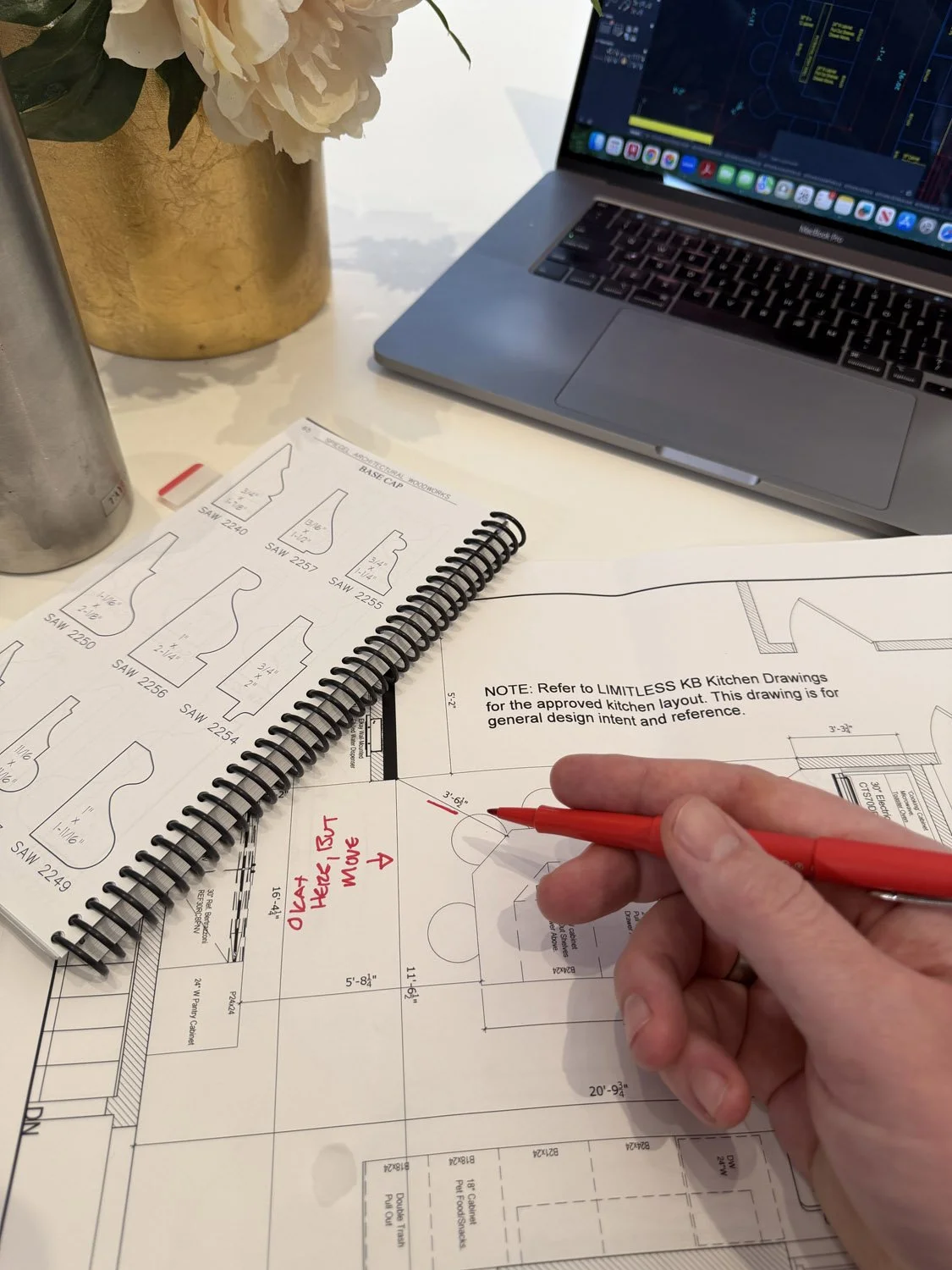
3. What does the architect do?
Architects are incredibly important members of many renovation teams, particularly when a project involves substantial architectural, structural or regulatory work.
If we're changing the building envelope, adding square footage, modifying windows or exterior openings, or making significant structural changes, an architect should absolutely be involved.
Architects also provide critical expertise around code compliance, structural coordination, technical architectural documentation and permitting. In New York City renovations, this can include coordinating the drawings and documentation required for building approvals and, when applicable, Department of Buildings filings.
We lean heavily on our architectural colleagues for exactly these reasons.
Depending on the project, an architect may incorporate our interior design drawings into a larger architectural set, redraw portions as required, or develop their technical documents in conjunction with the detailed interior drawing package we've created.
The important distinction is that we're approaching the same project through different lenses.
The architect is considering the technical requirements of the building. We're simultaneously considering how the people inside that building are actually going to live.
The best projects allow those two conversations to inform each other.
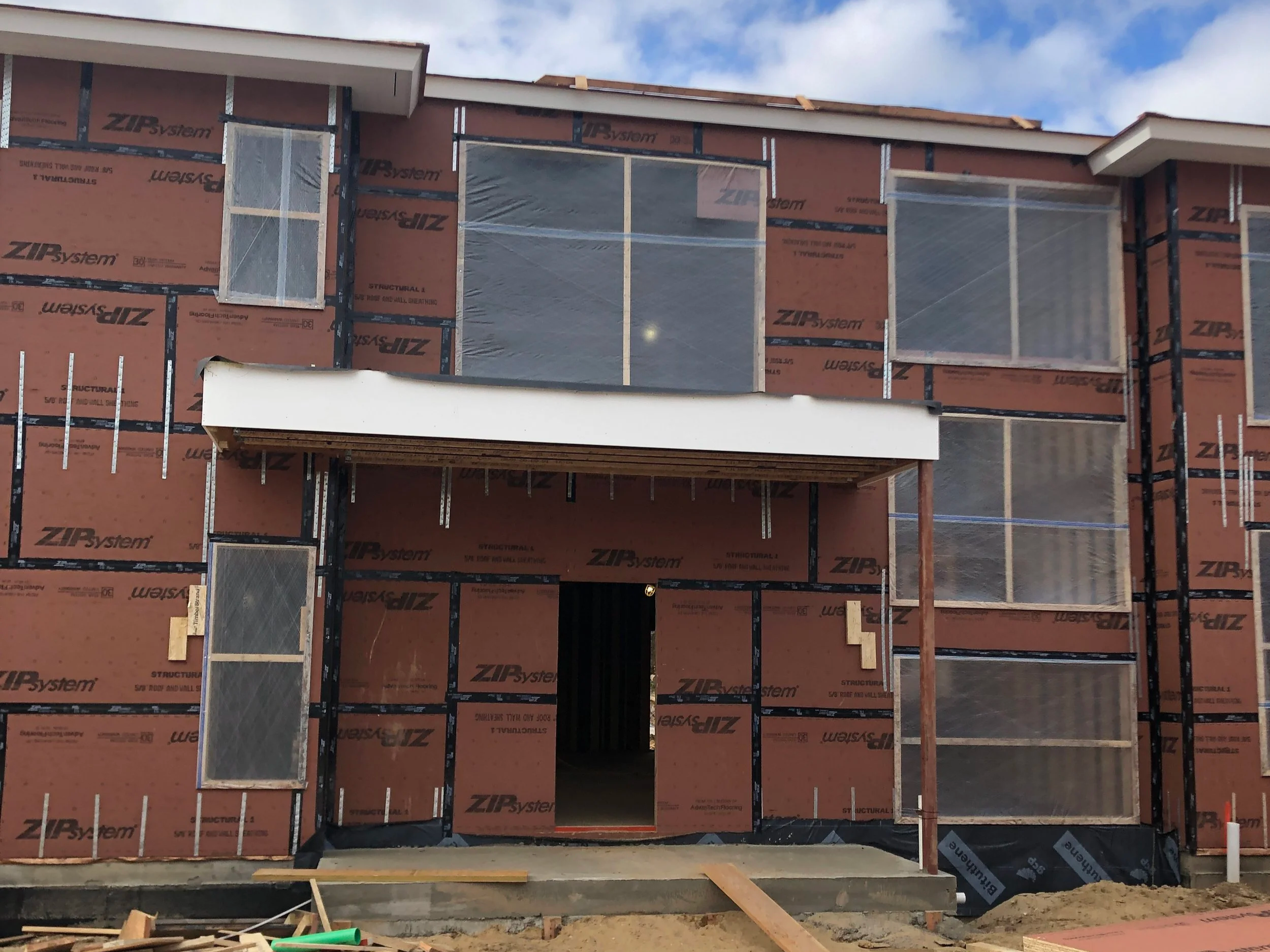
4. What does a design-build firm do?
Design-build has become increasingly popular in residential renovations, and I understand the appeal.
A design-build firm typically brings design and construction services together within one company or integrated team. Instead of hiring an interior designer, architect and contractor separately, a homeowner may have one primary point of contact coordinating much of the renovation.
That can simplify communication. Decisions can sometimes move faster because the various disciplines are working within the same organization, and for the right project and client, it can be an effective way to renovate.
But it's important to understand exactly what you're buying.
With a design-build model, the company designing the project is also generally the company responsible for pricing and building it. That isn't inherently good or bad. It's simply a different relationship than having an independent designer or architect representing the design vision alongside a separate contractor.
Before hiring a design-build firm for a home renovation, I would ask a few questions.
Who is actually designing the interiors? How experienced is the interiors team? How much design exploration happens before construction pricing begins? What degree of customization is included? And if you want something outside the firm's typical vocabulary, process or sources, how is that handled?
Look at the firm's construction portfolio, but look equally closely at its interior design portfolio and really understand what it looks like if the interior team and you aren’t able to align. What that looks like, how it’s resolved and what the implications are to the rest of the project.
For clients who want a streamlined process and don't require a particularly high level of customization, design-build can be a great fit.
For a highly customized interior, you may want an independent interior designer involved as well. We've worked within this structure, integrating into an existing design-build team with clearly defined responsibilities and helping develop, review or approve the interior elements of a project.
Again, the right answer depends on what you're trying to create.
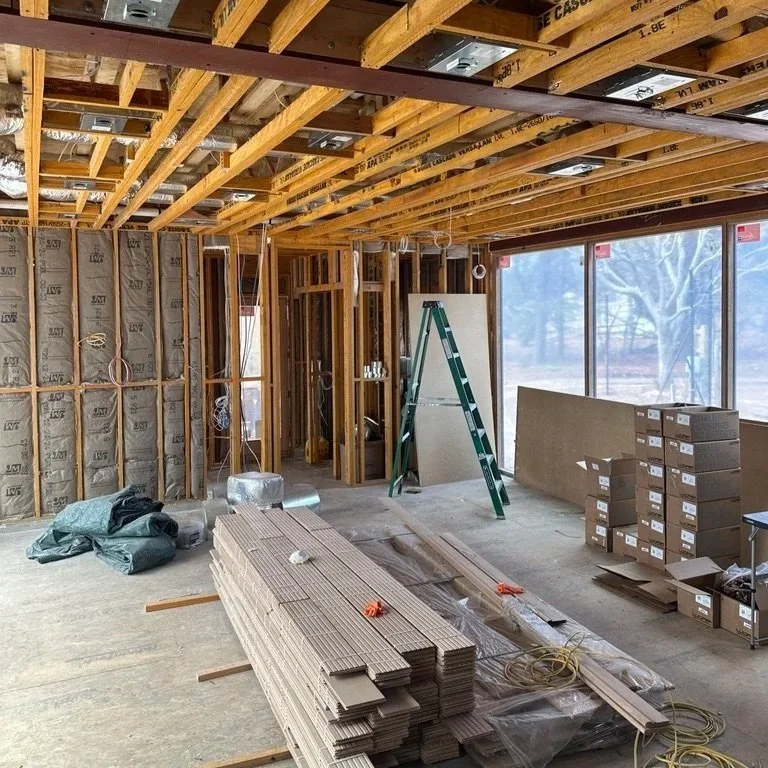
5. Should you call a contractor first?
A general contractor is often one of the first calls homeowners make when they're considering a renovation.
It makes sense. You want to know: How much is this renovation going to cost?
An experienced contractor can walk through an apartment or house, listen to what you're considering and probably give you some initial thoughts.
The problem is that contractors thrive on precise information.
There's an enormous difference between asking a contractor to price "renovate the primary bathroom" and giving them drawings showing the new layout, plumbing locations, lighting, tile installation, stone details, millwork, fixtures and finish specifications.
The more information available when a contractor prices a residential renovation, the more useful that construction estimate becomes.
That's why I generally prefer bringing the contractor into the pricing conversation once we've developed the design and established a meaningful scope of work.
Instead of walking through the apartment saying, "What would it cost to do something here?", we can walk through together and say, "This is what we want to accomplish. How are we going to build it, how long will it take, and what will it cost?"
That's a very different conversation.
6. So, who should you call first?
Here's the simplest way I think about it.
Call an interior designer first when you're undertaking a substantial interior renovation and your primary objective is transforming how the home functions, feels and supports the way you live.
Call an architect first when you're undertaking ground-up construction, adding significant square footage, substantially changing the building envelope, or beginning with major structural or architectural work.
Consider a design-build firm when having a single integrated design and construction team is a priority and you've determined that the firm's design capabilities align with the level of customization you want.
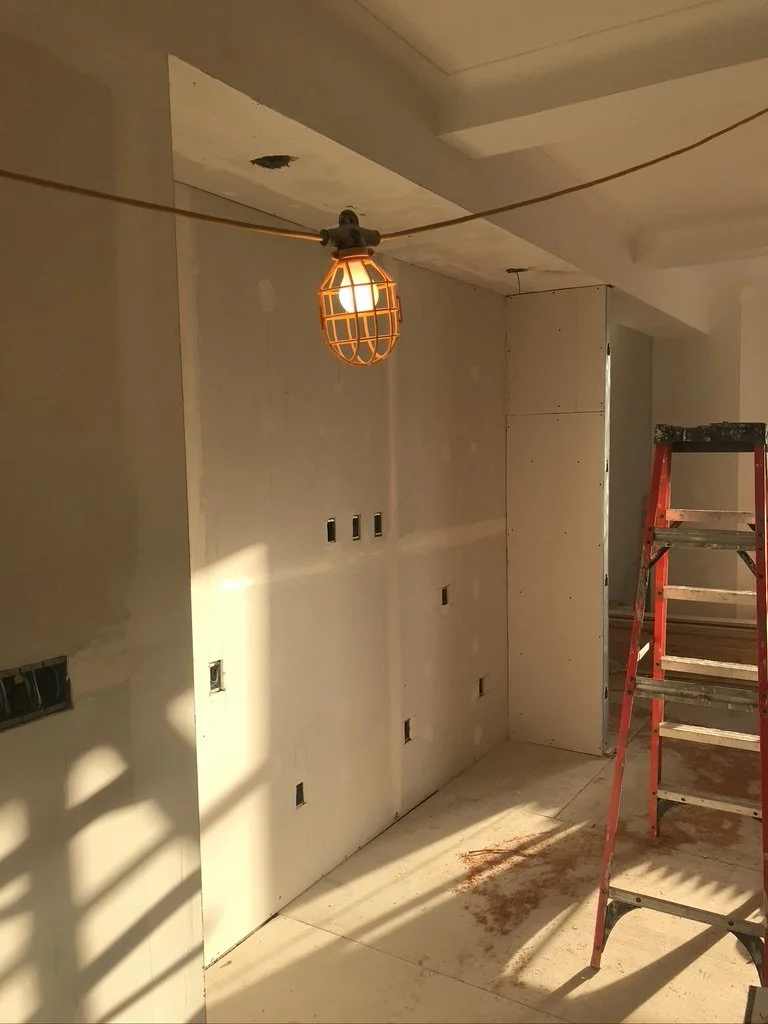
Call a contractor first when the design and scope are already clearly resolved and you're primarily looking for someone to execute that defined work.
For many interior-focused residential renovations, we believe there is tremendous value in starting with the interior designer, even when we already know an architect and contractor will eventually become essential members of the team.
7. Why early interior design involvement matters
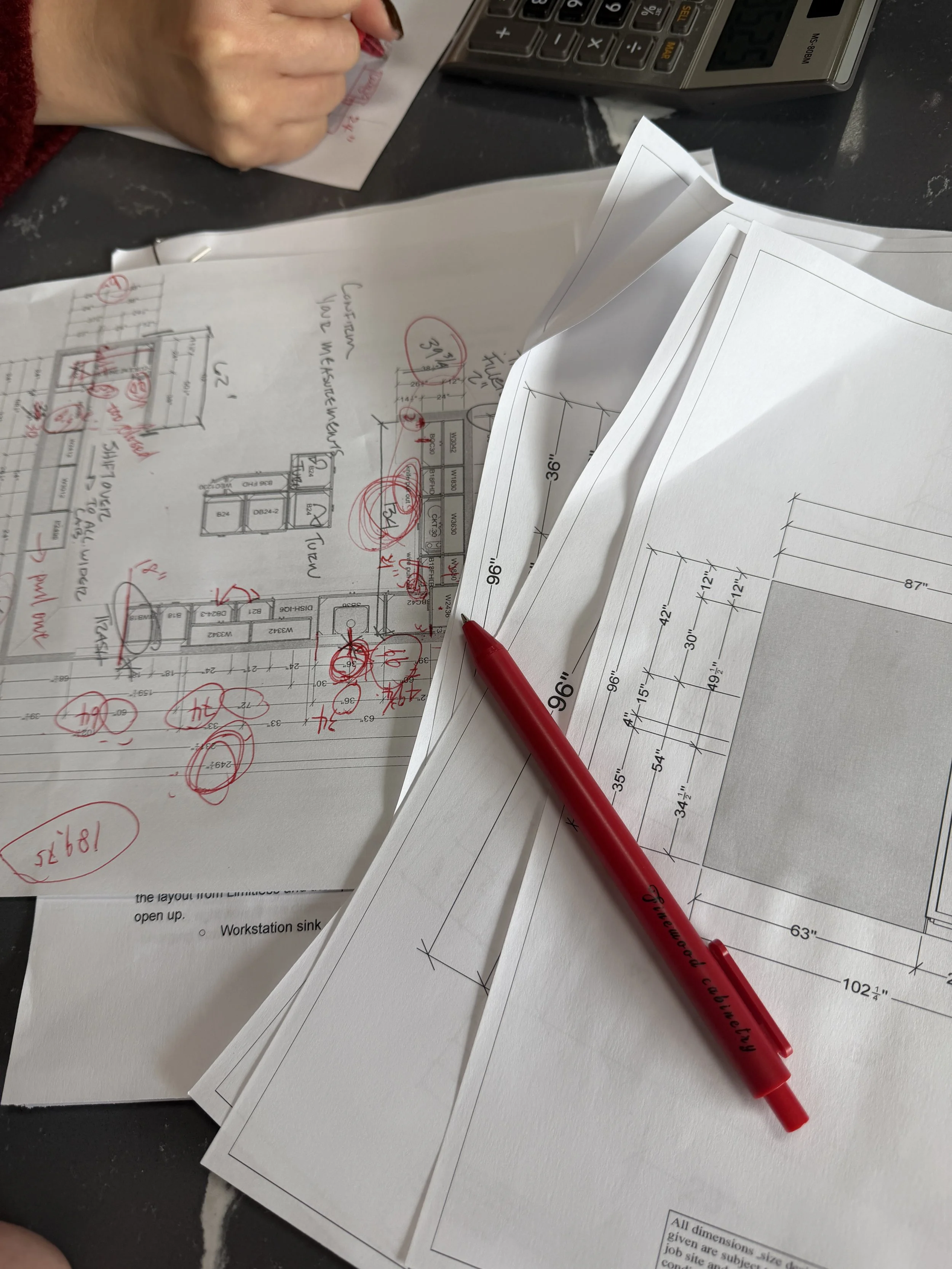
Because changing something on paper is almost always easier than changing it in the field.
Early in the design process, we can ask questions that might seem incredibly specific for a project that hasn't started construction yet.
How wide should the fireplace be, and how does that affect the television and furniture arrangement?
How does your family actually cook? Where will everyone be while dinner is being prepared? Does the proposed kitchen layout support that?
Where will the artwork go? Where does that put the lighting?
Where will the sofa sit? Now, where do the outlets need to be?
If we're designing a bathroom, what are the dimensions of the stone or tile we're considering? How does that material want to be laid out? Are there installation requirements that need to be incorporated into the drawings?
If we're adding custom millwork, does it affect electrical locations, HVAC, lighting or wall construction?
Where do two different flooring materials meet, and what does that transition look like?
These are interior design decisions, but they quickly become construction decisions.
Resolving them early allows the architect and contractor to incorporate them into their work rather than discovering them halfway through construction.
At Studio Ness, our goal is to provide the architect and construction team with a comprehensive design direction before demolition begins. There may still be a few outstanding selections or details to resolve, but everyone should understand the desired end result and the path we're taking to get there.
It changes the conversation from:
"What do you want done?"
to:
"How do we get this done?"
That shift can have an enormous impact on the efficiency of a renovation.
8. The Best Renovation Starts With the Right Team
Ultimately, this isn't an argument for interior designers instead of architects, contractors or design-build firms.
A successful residential renovation requires the right people doing the right work at the right time.
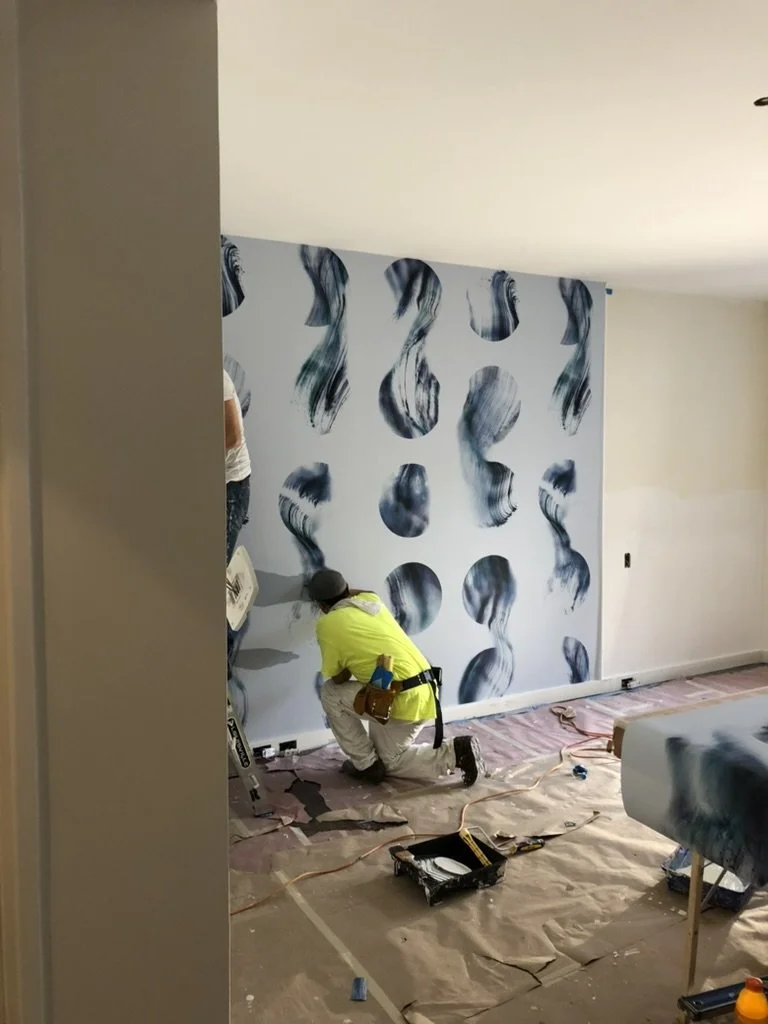
We always tell our clients that we form a team when coming into a project. Sometimes we're brought onto a team where the architect and contractor have already been selected. Other times, we're involved from the earliest conversations and help identify the architect, contractor, engineers and specialty trades required to accomplish the vision, and we help you put the team together.
Both can work beautifully.
What matters is that responsibilities are clearly defined, the different disciplines communicate with one another, and everyone is working toward the same end goal: a beautiful, functional home that reflects the people who are going to live there.
There shouldn't be ego in that process.
At the end of the renovation, the home shouldn't feel like your architect's house, your contractor's house or your interior designer's house.
It should feel unmistakably like yours.
Hopefully, with a little bit of the unexpected brought in by your interior designer.
If you're considering renovating an apartment, townhouse or home and you're still in the dreaming stage, that's actually a great time to start the conversation. Tell us about your project, and we can help determine what the design process and the right team might look like before you begin.